Pizza Place Cheyenne Recommendations for Traditional Pizza Lovers
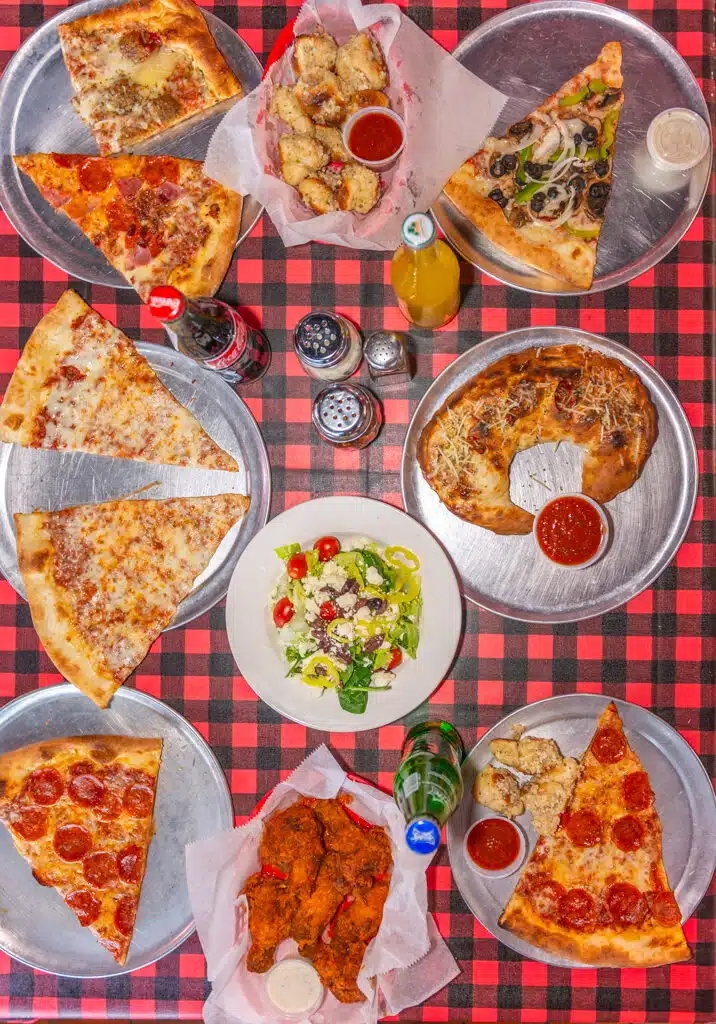
Finding a good pizza place Cheyenne diners can trust is not difficult. Finding one that satisfies a true traditionalist takes a little more care.
Traditional pizza lovers tend to want the same core things, even if they argue over style. They want dough that tastes like bread rather than a blank delivery vehicle. They want sauce with some brightness and restraint, not a sugary red blanket. They want cheese that melts into the pie instead of sitting on top like an afterthought. Most of all, they want balance. A pizza should taste complete, not overloaded.
That matters in a city like Cheyenne, where pizza can mean several very different pizza place cheyenne things depending on where you walk in. Some places lean toward thick, hearty pies built for a crowd. Others chase a thinner crust with more structure and char. Some treat toppings like a dare. Others show more discipline. If your preferences run old-school, with an appreciation for classic cheese, pepperoni, sausage, mushrooms, onions, and a crust that still has some dignity by the last bite, you need a different filter than the average diner scrolling menus at 6:30 on a Friday.
The good news is that traditional pizza holds up well in Cheyenne. The climate, the local dining habits, and the practical side of restaurant service all reward a kitchen that knows how to make sturdy dough, bake evenly, and send out a pie that travels well without turning gummy. The challenge is knowing what signs point to a place that respects the basics.
What traditional pizza lovers are really looking for
When people say they love traditional pizza, they do not always mean the same style. For some, it means East Coast thin crust with a foldable slice and a slight chew. For others, it means a tavern-style pie cut for sharing, with a crisp base and edge-to-edge toppings. Some want a hand-tossed pie in the classic American pizzeria mold, medium thickness, browned mozzarella, moderate sauce, and a crust ring you actually want to eat.
The common thread is not a single regional style. It is restraint and execution.
A traditional pie does not need artisan flour, imported ovens, or an essay on fermentation. It needs dough made with enough care that the crust has both structure and flavor. It needs a sauce that tastes of tomato, herbs, garlic, and maybe a touch of sweetness if the kitchen uses it judiciously. It needs cheese applied with a cook’s eye, not dumped by volume. And it needs an oven setup, whether deck, conveyor, or stone, that the staff actually understands.
In practical terms, a traditional pizza lover in Cheyenne is often happiest at a place that does not try to be all things at once. The menu can still be broad, but the pizza itself should show a house point of view. If a restaurant has twenty novelty topping combinations yet cannot turn out a clean cheese pie, that is usually a sign.
I have found over the years that the simplest order tells you almost everything. A plain cheese pizza reveals whether the crust is alive, whether the sauce is over-seasoned, whether the mozzarella breaks properly, and whether the bake is rushed. Pepperoni is the next test. On a good pie, the pepperoni cups or edges crisp slightly, rendering just enough fat to season the cheese without drowning it. On a mediocre pie, it sweats into an orange slick and leaves the center limp.
How to judge a pizza place before you even order
A lot can be learned from the menu and from the way a shop talks about its pizza. Traditional spots usually lead with core pies and let the ingredients speak. They may offer specialty combinations, but the classics are not buried. You should be able to order a cheese, pepperoni, sausage, mushroom, or margherita-style pie without the feeling that you are choosing the boring option.
The dough section of the menu, if there is one, can be especially revealing. Restaurants that care about crust often mention hand-tossing, daily dough preparation, or bake style. They do not need to advertise a 72-hour fermentation to make a good pizza, but some acknowledgment that dough is made pizza place cheyenne rather than merely received is usually a positive sign. If every crust option sounds engineered for maximum convenience, the pie often tastes that way too.
Staff behavior matters too. Ask a simple question, such as whether the crust bakes crisp or soft in the center, or whether a large pepperoni tends to travel well for takeout. A good pizzeria answer is usually immediate and practical. They know their product. They know whether a pie is best eaten in the dining room, whether extra sauce changes the bake, and whether a heavier topping combination slows down the crust. That kind of fluency comes from repetition and pride.
One detail many diners miss is the smell when you enter. A strong smell of baked dough, tomato, oregano, and toasted cheese is a good omen. If the room smells mostly of fryer oil, sanitizer, or sweet sauce, pizza may not be the kitchen’s strongest language.
The slice test that separates the serious shops from the forgettable ones
If you care about traditional pizza, the slice test is worth using every time. Lift a slice from the center of the pie and watch what happens. A quality traditional slice may droop at the tip, depending on style, but it should not collapse from crust to point. The underside should show even browning, not a pale center with burnt edges. The cheese should stretch, then break, not slide off in a sheet. The sauce should stay in place. Nothing should flood the plate.
Texture matters just as much as appearance. On the first bite, you want some resistance from the crust and then a clean chew. If the crust feels like dense bread, the dough is likely under-proofed or overworked. If it shatters dry with no interior tenderness, the bake may be too hard or the dough too lean for the style. The best traditional pies have contrast. There is crunch or firmness below, elasticity inside, and tenderness where the cheese and sauce meet the crust.
A good pizzeria knows how to preserve that texture for different situations. Dine-in pizza can tolerate a slightly softer center because it will be eaten fast. Takeout pizza needs more structure. In a place like Cheyenne, where wind, cold, and driving time can all affect how a pie arrives at home, this matters more than people think. A shop that adjusts the bake for carryout is usually a shop that pays attention.
What styles tend to satisfy traditionalists in Cheyenne
Cheyenne diners often encounter a broad middle of American pizzeria styles rather than a perfect reproduction of one classic regional school. That is not a flaw. In many cases, it is exactly where the best local pizza lives.
The hand-tossed, medium-thickness pie is often the safest recommendation for traditionalists. It gives the kitchen room to show competence. There is enough crust to develop flavor, enough sturdiness for standard toppings, and enough flexibility for both dine-in and takeout. If the shop knows what it is doing, this style produces the kind of pizza most people picture when they say they want a classic pie.
Thin crust can be excellent too, particularly for people who value crispness and balance over heft. In Cheyenne, though, thin crust is less forgiving in takeout. A short ride home can steam the crust if the pie is boxed too aggressively or left closed too long on the counter. If you are ordering a thin pie for pickup, cracking the box slightly during the drive can help preserve texture. It is a small detail, but traditional pizza lovers notice the difference.
Deep or thicker pan styles have their place, especially on cold evenings when you want something heartier. Still, traditionalists who care about dough flavor and proportion should be selective. A thicker crust only works when the crumb stays light and the sauce is measured. Too often, heavy pies become more casserole than pizza.
Recommendations on what to order first
If you are trying a new pizza place Cheyenne locals mention, order with discipline. Do not start with the overloaded house special. Start with the pie that gives the kitchen nowhere to hide.
- Cheese pizza, because it reveals crust, sauce, cheese blend, and bake without distraction
- Pepperoni, because it tests fat balance, crispness, and whether the pie stays structurally sound
- Sausage and mushroom, because moisture management becomes obvious fast
- Half plain, half one topping, if you are undecided and want a side-by-side comparison
- Garlic knots or plain breadsticks only if the house makes its dough with care, not as a substitute for judging the pizza
That approach may sound conservative, but it saves disappointment. A traditional pizza lover should always verify the fundamentals before exploring specialty pies. I have seen plenty of restaurants produce an enjoyable buffalo chicken pizza while missing the mark on a basic cheese. That is not the same skill set.
Red flags that usually signal a disappointing traditional pie
Some warning signs show up over and over again. They are not absolute, but they are reliable enough that I pay attention to them.
- A menu built around novelty combinations with very little emphasis on core pies
- Sauce described as sweet before anything else
- Too many crust formats, especially if the kitchen appears small or understaffed
- Cheese listed in vague, promotional language rather than by style or blend
- Photos that show toppings piled high enough to hide the crust entirely
Traditional pizza is not anti-topping. It is anti-chaos. A pie can be generous without becoming disordered. The trouble starts when every decision seems designed to increase volume instead of flavor.
Another red flag is inconsistency between lunch and dinner service. Some pizza places run beautifully during their quieter periods and struggle during the evening rush. If you have one bad experience on a packed Friday night, I would not write the place off immediately. Try again during a slower window if the fundamentals seemed promising. A traditionalist’s frustration often comes from execution under pressure, not necessarily from a flawed recipe.
Why dine-in still matters for a classic pie
Traditional pizza reveals itself best at the table. The crust keeps its intended texture. The cheese is still in its prime. The sauce has not steamed in the box. The edges are audible when you bite them. For someone trying to identify the best pizza place Cheyenne has for classic pies, dine-in is the cleanest test.
That said, not every restaurant’s dining room tells the full story. Some smaller shops are optimized for pickup and delivery, and their pies are designed accordingly. The trick is to understand the house style. If a place is known for sturdy, well-baked hand-tossed pies, takeout may be almost as good as dine-in. If the pizza depends on an airy crust or especially crisp base, eat it there if you can.
One thing I have learned from years of chasing reliable pizza is that atmosphere can distort judgment. A loud room, a game on the television, hungry company, and a pitcher of beer can make an average pie feel better than it is. Later, when you remember the meal, what stays with you is usually the crust. Good crust survives memory. Mediocre crust does not.
The toppings that most clearly show whether a kitchen knows balance
Cheese and pepperoni are the obvious tests, but onions, mushrooms, and sausage often reveal more.
Mushrooms are a strong indicator because they punish sloppy moisture control. Fresh mushrooms can release a lot of water. On a good pie, they roast slightly and deepen in flavor. On a bad one, they flood the cheese and turn the center soft. If a pizza place handles mushrooms well, there is a fair chance the kitchen understands bake management.
Sausage tells you about seasoning and proportion. A traditional sausage topping should contribute fennel, pepper, salt, and savory depth without dominating every bite. Huge meat clumps are usually a mistake. The best pizzerias distribute sausage so that each slice gets some, but not so much that the dough gives up under the weight.
Onions show restraint. Too thick and they stay harsh. Too thin and they disappear. Properly sliced onions soften, sweeten, and integrate into the cheese without turning stringy or wet.
Even black olives, a topping some purists avoid, can tell you whether the shop cares. Drained and used sparingly, they add salinity. Dumped on carelessly, they overwhelm the pie. Traditional pizza is often won or lost through small choices like that.
How local conditions shape the best pizza experience
Cheyenne is not a city where every restaurant can rely on heavy foot traffic at all hours. That affects pizza in practical ways. Shops have to manage labor, prep, and oven flow carefully. Some places excel because they keep the menu focused and turn out pizzas with repeatable consistency. Others spread themselves too thin.
Weather matters too. Cold air and wind make takeout a different experience than it is in a milder climate. A pie can lose a surprising amount of heat from counter to car to kitchen table. If you are serious about preserving quality, bring the pizza straight home, skip extra stops, and move it from the box to a rack or stone as soon as possible if you are not eating immediately. Leaving it in the closed box for ten extra minutes is often enough to soften a once-crisp crust.
Altitude can also influence baking and dough handling, though its effect varies by recipe and equipment. Experienced pizza makers adjust hydration, proofing, and bake time as needed. You may not see those decisions, but you taste them. A crust that rises evenly and browns well reflects adaptation, not luck.
Traditional does not mean boring
One misconception deserves to be retired. Traditional pizza is not plain by default. It is focused.
A classic pie can be vivid, aromatic, and deeply satisfying. Good tomato sauce has brightness. Proper mozzarella browns in patches and develops nuttiness. Fresh basil, if used, should perfume the pie without making it soggy. Pepperoni brings spice and richness. Sausage adds savory complexity. Even a simple cheese pizza can feel complete when the dough has character.
The reason traditionalists are picky is not nostalgia for its own sake. It is because the format is honest. There are fewer distractions. You can taste every decision. That is what makes a well-run pizza place so impressive. It can turn ordinary ingredients into something memorable through repetition, heat, timing, and judgment.
I have eaten pizzas in polished dining rooms and in modest storefronts where the chairs scraped the floor and the napkin dispenser stuck. The setting rarely determines whether the pie is worth coming back for. What matters is whether the kitchen respects the fundamentals enough to make the fiftieth pie of the night as carefully as the fifth.
How to find your personal favorite in Cheyenne
The best pizza place Cheyenne offers for one traditionalist may not be the best for another. Some people want a firmer, crisper bake with less cheese. Others want a softer hand-tossed crust and a little more sauce. The only sensible way to decide is to compare with a clear standard in mind.
Choose two or three pizzerias over a few weeks, order the same basic pie from each, and pay attention to the same details every time. How does the crust hold up halfway through the meal? Does the sauce complement or dominate? Are the toppings proportionate? Would you want the last slice as much as the first? Those questions cut through branding quickly.
If you are dining with family or friends who prefer heavier specialty pizzas, split the difference. Order one classic pie for evaluation and one more adventurous option for the table. That keeps the meal enjoyable while still giving you an honest read on the shop’s core ability.
Traditional pizza lovers sometimes hesitate to be this deliberate because it can feel overly serious. It is not. It is just a better way to spend your money. Pizza is casual food, but a great pie is still craftsmanship.
The standard worth holding
When you search for a pizza place Cheyenne residents recommend, it is easy to get distracted by volume, novelty, or convenience. Traditional pizza lovers are usually happier when they narrow their focus. Look for strong dough, measured sauce, proper cheese application, and toppings that support rather than bury the pie. Favor places that seem confident in their basics. Be cautious with menus that treat pizza like a stunt.
The reward for that selectiveness is a pie that tastes complete from first bite to last crust. It arrives hot, balanced, and grounded in the kind of old-school judgment that never really goes out of style. For many diners, that is all the recommendation they need.
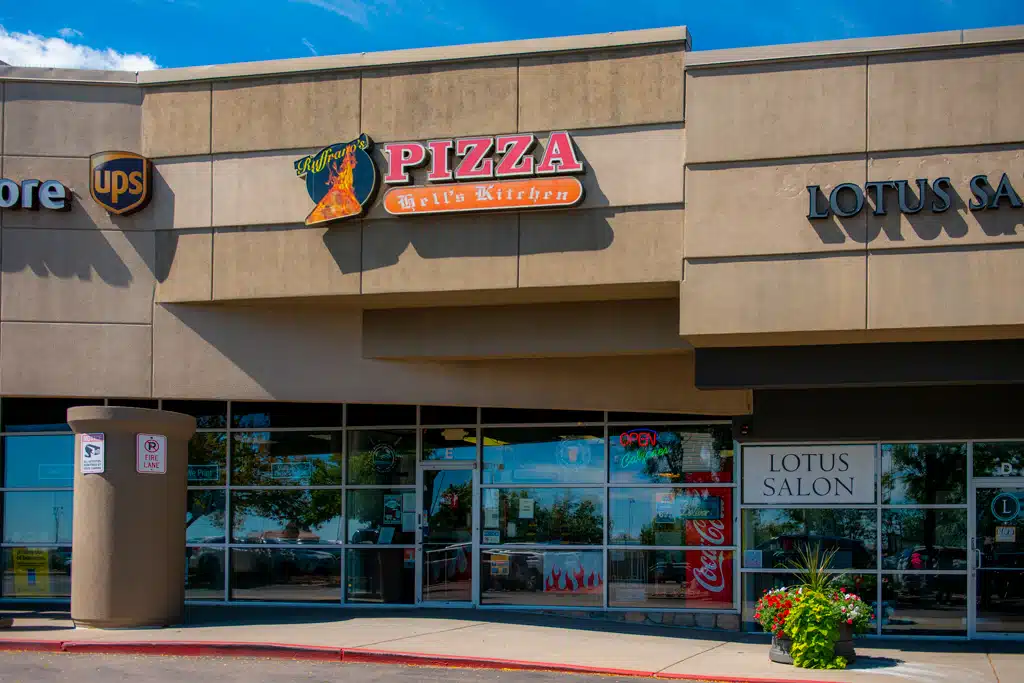
Ruffrano's Hell's Kitchen Pizza Cheyenne
Address: 1670 E Cheyenne Mountain Blvd, Colorado Springs, CO 80906
Phone number: +17195764355
FAQ About Pizza Place Cheyenne
What's the most popular pizza place?
The "most popular" pizza place depends on whether you measure by location count, total sales, or customer favorite status.
What is the 2 pizza rule?
The two-pizza rule is a management principle made popular by Amazon founder Jeff Bezos. It states that a team or meeting should never be larger than what can be fed with two large pizzas—typically translating to a group of 5 to 10 people (or roughly 6 to 12 people depending on appetites).
Is 2 pizzas enough for 10 people?
No, 2 pizzas are usually not enough for 10 people.