Pizza Place Cheyenne Restaurants With Crowd-Pleasing Menus
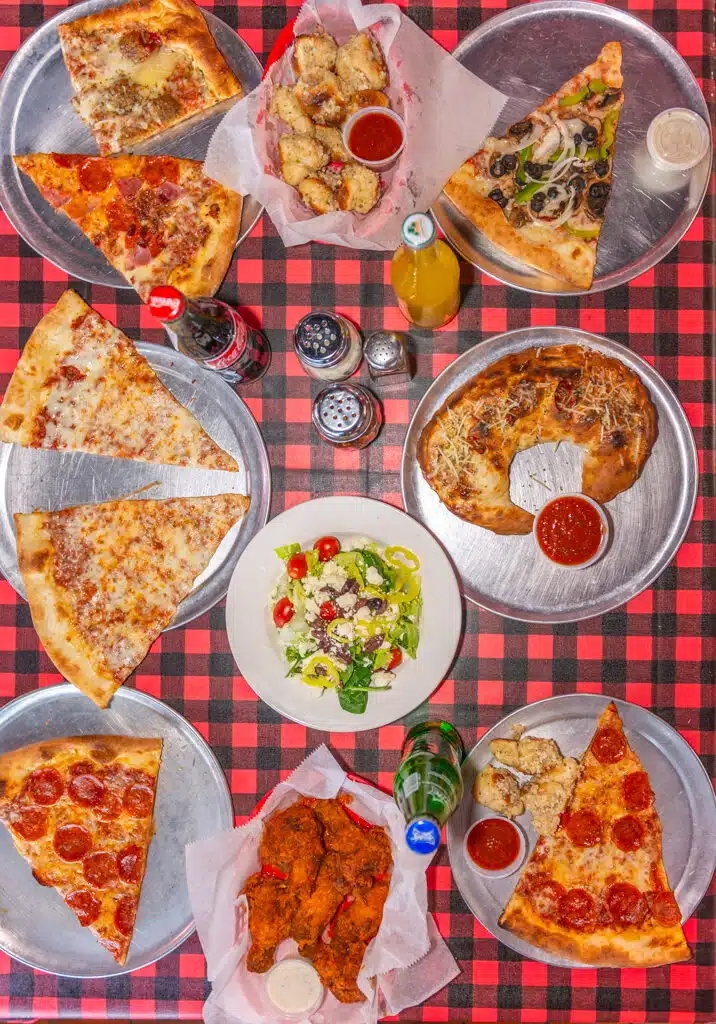
Finding a reliable pizza place in Cheyenne is not hard. Finding one that keeps a mixed group happy, families with young kids, coworkers grabbing a quick lunch, high school teams, grandparents, and the friend who always wants something other than pizza, is a more interesting challenge. That is where crowd-pleasing menus matter.
In a town like Cheyenne, restaurants do not have the luxury of building a menu for one narrow audience and calling it a day. Diners tend to arrive in groups with different appetites, different budgets, and different expectations. One person wants a crisp thin crust with good char on the edge. Another wants a thick, cheesy pie with enough leftovers for tomorrow. Someone at the table is trying to eat lighter. Someone else wants wings, breadsticks, and a pitcher of soda because it is Friday night and nobody feels like being moderate. The restaurants that thrive understand that reality and build menus around it.
That is why the best pizza place Cheyenne diners return to again and again usually offers more than a single good pie. The strongest menus show judgment. They balance comfort and variety. They keep the classics dependable, but they also make room for the kind of customization that helps a group order without friction. When a place gets that right, service runs smoother, ticket times are easier to manage, and guests leave feeling like the restaurant knew exactly what kind of night they were having.
What a crowd-pleasing menu actually looks like
A crowd-pleasing menu is not the same thing as a giant menu. Bigger is not always better. In fact, oversized menus often create the opposite effect. Kitchens get stretched thin, quality becomes uneven, and the experience starts to feel generic. The most effective pizza menus are broad enough to satisfy different diners but focused enough that the kitchen can execute every item with consistency.
For a restaurant in Cheyenne, that often starts with the pizza itself. There needs to be a reliable base menu of familiar options, pepperoni, sausage, veggie, meat lovers, and cheese, because those are the pies groups order without debate. At the same time, a menu benefits from a few more distinctive combinations that give regular customers a reason to come back. A white pizza with roasted garlic and ricotta, a barbecue chicken option that is balanced instead of sticky-sweet, or a pie with green chiles and a little local personality can make a restaurant memorable without alienating conservative eaters.
The real test comes when the menu moves beyond pizza. Restaurants that work well for groups tend to understand that not every diner wants the same format for the meal. One person may be committed to pizza. Another wants a salad and an appetizer. A teenager might want pasta or a sandwich with fries. A parent ordering for younger children may need simple choices and manageable portions. If the restaurant can serve those needs without making the menu feel scattered, that is a strong sign the place has been built around actual dining habits rather than a concept on paper.
Why Cheyenne diners tend to reward practical variety
Cheyenne has the kind of dining culture that values straightforward quality. Flash for the sake of flash rarely holds up for long. People notice when portions are fair, ingredients taste fresh, and staff can guide a table without sounding rehearsed. They also notice whether a restaurant understands the rhythms of local life.
Lunch crowds often need speed. Dinner service has to handle families and larger parties. Weekends bring birthday gatherings, youth sports celebrations, and casual meetups where nobody wants the ordering process to become complicated. A good pizza restaurant in Cheyenne is often less about novelty and more about ease. The best operators know how to reduce the small pain points that can ruin a group meal.
For example, shareable appetizers are not just extras. They buy the kitchen a little time, keep hungry kids occupied, and help a table settle in. Sensible specialty pizzas reduce the endless back-and-forth over toppings. Half-and-half options can prevent a table from ordering too many pies. Salad sizes matter more than some restaurants realize. A genuinely shareable salad can round out the meal and make the order feel less heavy, especially when several people at the table are trying to balance indulgence with restraint.
These details sound minor until you have eaten with enough groups to know how often they determine whether dinner feels effortless or frustrating.
The pizza itself still has to carry the meal
Menu range matters, but no one returns to a pizza restaurant for variety alone. The pizza has to hold its own. In my experience, the places that become repeat favorites usually get four fundamentals right: crust, sauce, cheese, and bake.
Crust is where a restaurant reveals its priorities. A good crust should fit the style it claims to be. If it is thin crust, it should have real structure and a clean bite, not flop into a soggy triangle by the second slice. If it is thicker or pan-style, the interior should stay tender without turning gummy. Too many restaurants underestimate how much texture shapes the whole meal. You can forgive a topping combination that is not exciting. It is much harder to forgive dough that eats like an afterthought.
Sauce needs restraint. This is one of the most common missteps on crowd-focused menus. Some kitchens over-sauce to create the impression of abundance, but too much sauce overwhelms the cheese and weakens the crust. On the other hand, a sauce that is too sweet or too aggressively seasoned can limit a pizza’s appeal, especially for kids and older diners who tend to prefer balanced, familiar flavors. The most versatile sauces support the toppings instead of competing with them.
Cheese seems simple until it is not. Stretch and browning matter, but so does moisture management. Excess oil on top, or a wet layer that slides off in one sheet, turns a good-looking pizza into a messy one fast. Restaurants serving families and larger tables benefit from pizzas that stay stable from the first slice to the last, especially for takeout.
Then there is the bake. An even bake is one of those quiet indicators of a disciplined kitchen. It tells you the oven is being managed properly, the dough is proofed with care, and the cooks are paying attention even during a rush. Crowd-pleasing restaurants usually do not gamble on inconsistency. They know people may be ordering five pizzas at once for a birthday or team dinner, and every pie has to land looking intentional.
Menus that work for groups usually do a few things very well
The strongest pizza menus tend to solve common dining problems before they happen. They do not force diners into awkward compromises, and they give different types of guests a way to participate in the meal without special effort. When evaluating a pizza place Cheyenne families or groups might enjoy regularly, I look for a few signs that the menu has been built with real use in mind.
- Distinct size options that make sense for couples, families, and parties
- A mix of classic pizzas and a short list of thoughtful specialty pies
- Non-pizza choices that feel intentional, not tacked on
- Kid-friendly items with portions that match younger appetites
- Clear customization without an exhausting number of decisions
Those features are practical rather than glamorous, but they matter. If a menu offers only large pies, smaller groups hesitate. If there are no sandwiches, salads, or pasta dishes, part of the table feels boxed in. If customization is so open-ended that ordering becomes a ten-minute negotiation, the meal starts with stress instead of anticipation.
A well-designed menu quietly keeps the evening moving.
The role of appetizers and sides in a pizza restaurant
Appetizers are often treated as filler, but in busy pizza restaurants they do serious work. They bridge the gap between seating and entrées. They create a sense of abundance at the table. They also help restaurants serve groups with uneven hunger levels, which is one of the most common realities in casual dining.
Breadsticks remain popular for a reason. When they are made from the same dough as the pizza and baked fresh, they offer a reliable, low-risk starter that almost everyone will eat. The difference between forgettable breadsticks and good ones usually comes down to texture and seasoning. A little crispness on the outside, a soft center, and enough garlic butter or parmesan to feel satisfying without becoming greasy, that combination goes a long way.
Wings are another major crowd test. They attract diners who may not even pizza place cheyenne be focused on pizza and can broaden a table’s order naturally. The challenge is that wings expose kitchen discipline. If they come out rubbery, under-sauced, or with heat levels that are all over the map, trust in the rest of the menu drops quickly. Good wings do not have to be elaborate. They just need to be crisp, hot, and well-seasoned.
Salads also deserve more respect than they usually get. In many mixed groups, there is at least one person who is not looking for a heavy meal. A strong salad selection gives them a real option instead of an obligation. Better restaurants avoid the sad side salad problem by offering larger, composed salads that feel built for adults with actual appetites. Crisp greens, fresh vegetables, grilled chicken if needed, and dressings that taste like someone cared, those details can shift the restaurant from pizza-only to genuinely versatile.
Why family appeal is not the same as playing it safe
Some restaurant owners make the mistake of flattening their menu in the name of family friendliness. Everything becomes mild, predictable, and vaguely interchangeable. That is not what keeps families coming back. Families want reliability, but adults still want flavor. The best pizza restaurants understand that they can be accessible without becoming dull.
One smart approach is layering options. Keep the base menu simple and recognizable, then offer add-ons, finishing touches, or a few specialty combinations for more adventurous diners. A plain cheese pizza for the kids and a more robust pie for the adults can come from the same kitchen without creating strain. The same logic applies to sauces, salads, and sides.
Another overlooked factor is portioning. Families are often doing quick mental math while ordering. They want to know whether one large pizza will feed three or four people, whether an appetizer is actually shareable, and whether the pasta portion is enough for a teenager who has just finished practice. Menus that communicate portions clearly build trust. Menus that leave every table guessing create hesitation.
This is one reason takeout and delivery performance matter so much to a restaurant’s reputation. A family that enjoys dine-in but has a poor takeout experience often rethinks the place entirely. Pizza travels well in theory, but only if the restaurant packages it properly, times the order correctly, and avoids quality drops during transport.
Takeout, delivery, and the modern crowd-pleasing standard
Today, a restaurant’s menu lives in two worlds: in-house dining and off-premise orders. A crowd-pleasing pizza menu has to function in both. Some items that work in the dining room do not travel well. Delicate crusts can steam in the box. Sauced wings can lose crispness. Salads can wilt if they are dressed too early. Strong operators know this and make subtle adjustments.
The best takeout menus are built around foods that maintain integrity for at least twenty to thirty minutes. They also make family ordering easier by offering combinations or meal bundles that reflect how people actually buy dinner on busy nights. That does not mean gimmicky deals. It means thoughtful structure. A pizza, salad, breadsticks, and drinks package can save a parent several minutes of decision-making, which is often more valuable than a flashy promotion.
For delivery, consistency matters more than ambition. A simpler pie that arrives hot and intact will beat a complicated specialty pizza that collapses in the box. Restaurants that understand this tend to earn long-term loyalty because they make the at-home experience feel almost as dependable as dining in.
Service and menu design are closely linked
People often separate service from food, but in pizza restaurants the two are deeply connected. A crowd-friendly menu should help the staff do their jobs better. It should be easy to explain, easy to modify within reason, and easy to pace for the kitchen.
When servers know the menu well, they can steer guests productively. They can suggest the right pizza sizes for a table, recommend an appetizer that fits the group, or warn customers when a specialty pie tends to run a little richer or spicier than expected. That kind of guidance does not feel like upselling when it is done well. It feels like competence.
You also see the difference during peak hours. A menu with sensible structure produces smoother service on Friday nights because the staff is not constantly fielding edge-case requests. Kitchens can prep more efficiently. Front-of-house teams can make confident recommendations. Guests receive their food in a predictable rhythm instead of waiting too long between starters and pizzas.
That is part of what makes a strong pizza place Cheyenne diners can count on. Reliability is not boring. In restaurant terms, it is a serious skill.
What diners should notice before choosing a place
If you are trying a new pizza restaurant with a group, there are a few practical clues that usually tell you whether the menu is designed for broad appeal or just trying to look that way.
- Look at whether the non-pizza items seem deliberate and well-matched to the concept
- Check for pizza size variety and half-and-half flexibility
- Notice whether the specialty pies sound balanced or simply overloaded
- See if salads, appetizers, and kids’ options have enough range to support a mixed table
- Pay attention to whether takeout ordering appears organized and straightforward
Those signs can often tell you more than photos or promotional language. Menus reveal a restaurant’s habits. If every specialty pizza is piled high with six meats and three sauces, the kitchen may be compensating for a weaker foundation. If the salads and sides feel like they belong, there is a better chance the owners have thought seriously about how different guests use the space.
The value of restraint on a pizza menu
One of the hardest things for restaurants to learn is when to stop adding. Every year there is pressure to introduce more toppings, more limited-time offers, more mashups, more of everything. Yet many of the most successful casual pizza menus rely on restraint.
A menu does not become crowd-pleasing because it says yes to every possible craving. It becomes crowd-pleasing because it organizes choices intelligently. That often means trimming weak items, keeping combinations coherent, and protecting the kitchen from unnecessary complexity. Diners may not phrase it that way, but they feel the result. Food arrives hotter. Service is calmer. The meal feels more cohesive.
That is especially important in regional markets where repeat business drives success. In Cheyenne, a restaurant is not just chasing one-time novelty traffic. It is trying to become part of people’s routines, post-game dinners, Friday takeout, office lunches, birthday evenings, or road-weary meals when nobody wants to cook. Restaurants earn that place by being consistently useful as much as consistently delicious.
Why the best pizza restaurants win across different occasions
The most impressive thing about a truly crowd-pleasing pizza menu is its flexibility across occasions. It can handle a casual lunch, a family dinner, a group celebration, and a last-minute takeout order without feeling like a different restaurant each time. That kind of ruffranoshellskitchenpizza.com pizza place cheyenne versatility is difficult to build and even harder to maintain.
A lunch crowd may care about speed, slices, sandwiches, and lighter portions. Dinner guests may lean toward whole pies, appetizers, and shared desserts. Families need predictability. Teenagers want abundance. Older diners often appreciate comfort without excess grease or noise. A pizza restaurant that can serve all those moments with the same core menu has done the hard work of understanding its market.
That is what separates a merely decent restaurant from a lasting local favorite. Not every meal has to be extraordinary. In fact, most repeat customers are not chasing extraordinary. They want a place that delivers good judgment night after night. They want a restaurant where the menu feels familiar without becoming tired, where there is enough variety for the whole table, and where the pizza still justifies the trip.
For anyone searching for a pizza place Cheyenne diners can agree on, that is the standard worth using. Look for a menu that respects groups, values balance, and keeps quality at the center. When a restaurant gets those pieces right, it does more than serve pizza. It becomes the easy answer when everyone needs to be fed and nobody wants the evening to turn into a negotiation.
Ruffrano's Hell's Kitchen Pizza Cheyenne
Address: 1670 E Cheyenne Mountain Blvd, Colorado Springs, CO 80906
Phone number: +17195764355
FAQ About Pizza Place Cheyenne
What's the most popular pizza place?
The "most popular" pizza place depends on whether you measure by location count, total sales, or customer favorite status.
What is the 2 pizza rule?
The two-pizza rule is a management principle made popular by Amazon founder Jeff Bezos. It states that a team or meeting should never be larger than what can be fed with two large pizzas—typically translating to a group of 5 to 10 people (or roughly 6 to 12 people depending on appetites).
Is 2 pizzas enough for 10 people?
No, 2 pizzas are usually not enough for 10 people.