The Best Pizza Place Cheyenne Visits Start With These Ordering Tips
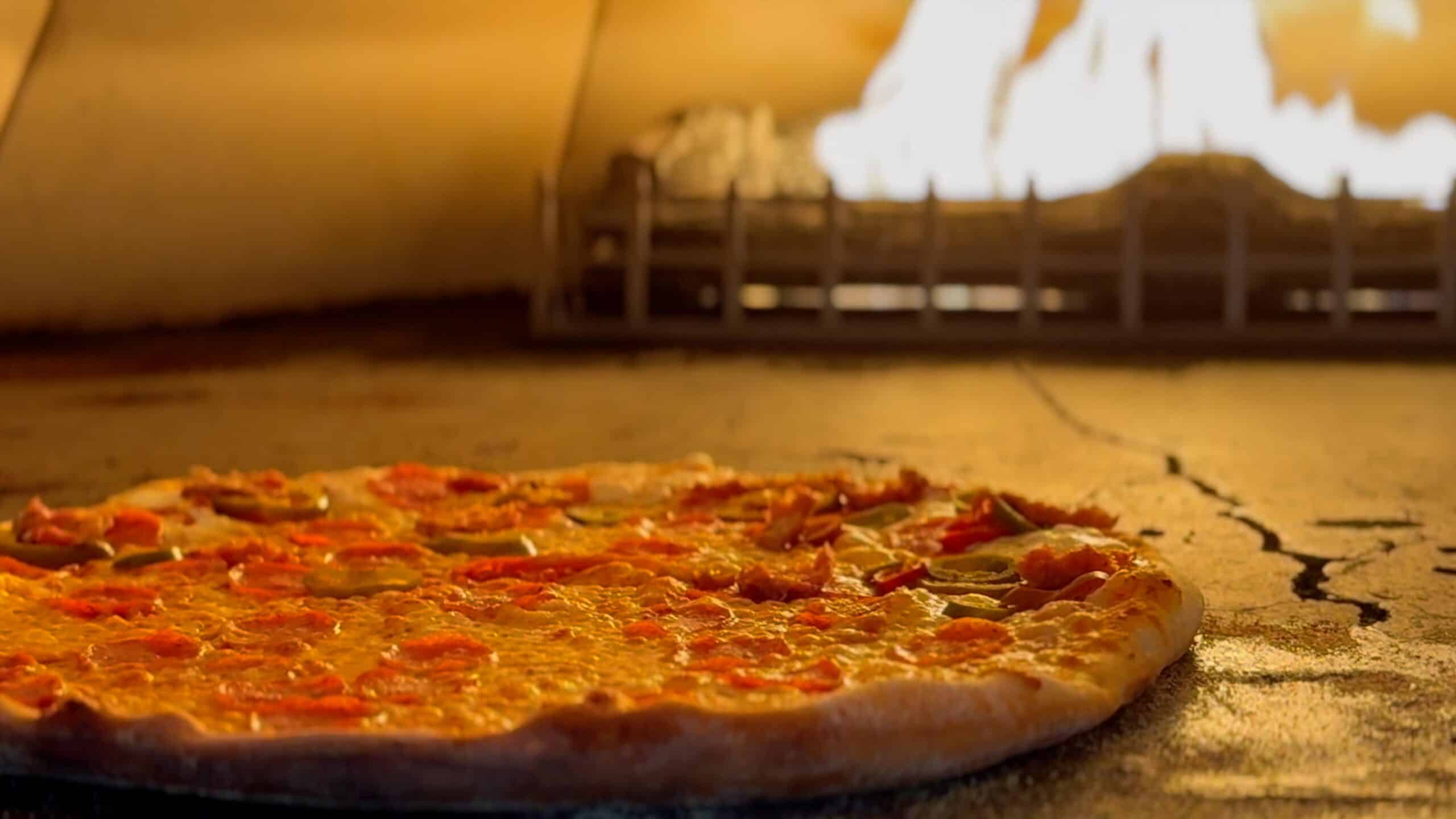
Finding a great pizza dinner in Cheyenne is not usually the hard part. The harder part is ordering well enough to enjoy what the kitchen does best. That sounds obvious, but anyone who has spent time around busy pizzerias knows the gap between a decent order and a memorable one can be wide. Two people can order from the same menu, on the same night, and walk away with completely different impressions of the place.
That is why the best pizza place Cheyenne diners return to again and again is often not just the one with the best dough or the boldest sauce. It is the one customers know how to order from. A little timing, a little menu judgment, and a little restraint can turn an ordinary takeout run into the kind of meal people talk about on the drive home.
I have seen this play out in all sorts of pizza shops, from quiet neighborhood counters to packed Friday-night dining rooms. The same pattern always shows up. The customers who get the best results are rarely the ones ordering the most expensive specialty pie with every extra added on. More often, they are the ones who understand how the crust holds up, which toppings fight each other, when to ask for a half-bake or extra crisp, and how long the ride home will really take.
Cheyenne has its own rhythm, too. Weather, commute time, school nights, game nights, and weekend traffic all shape the pizza experience more than people expect. Ordering pizza here is not only about taste. It is also about practical choices that affect texture, temperature, and timing.
Start with how you plan to eat it
Before you even choose toppings, decide whether the pizza is for dine-in, quick pickup, delivery, or a longer drive home. That single decision affects almost everything else.
A pizza eaten at a table a few minutes out of the oven can handle a different build than one sitting in a box for twenty minutes. Thin crust, for example, often shines when eaten immediately. It stays crisp, the cheese still stretches, and the sauce has not had time to steam the base. The same pie can soften noticeably during a drive across town, especially on a cold evening when the box traps moisture. Deep dish or thicker hand-tossed pizzas tend to travel better because they have more structure and a little more margin for error.
If you are picking up on your way home and know dinner will not start for another ten or fifteen minutes, order with that reality in mind. Ask for the crust a touch more well done if the shop offers that option. That small adjustment often protects the texture better than ordering extra cheese, which can weigh the pizza down and make it greasy by the time you eat.
For dine-in, you can be more adventurous. Delicate toppings, lighter sauces, and thinner crusts have a much better chance of arriving at their best. For delivery, sturdiness matters more than many people realize. A pizza that tastes balanced in the restaurant can arrive slightly oversteamed if it is overloaded or underbaked.
Read the menu like a cook, not just a customer
Most people scan a pizza menu looking for familiar combinations. Pepperoni, meat lovers, veggie supreme, barbecue chicken. That is fine, but a better approach is to think about what the kitchen is built to do well.
Every pizza place has a style, whether they advertise it clearly or not. Some places produce their best work with straightforward combinations where the crust and sauce lead. Others are built around richer toppings, heavier cheese coverage, or bolder seasoning. If the menu leans hard into house specialty pies, signature sauces, and named combinations, that often means the staff has dialed those builds in over time. They know how much topping each pie can take, how long it needs in the oven, and how it slices.
That does not mean you should never customize. It does mean you should respect the architecture of the pie. The best orders often begin with something the restaurant already understands well, then make one or two smart adjustments. Rebuilding a pizza from scratch with seven substitutions may look exciting on paper, but it often creates an awkward result. Salt fights sweetness. Moist vegetables flood the center. One strong meat can overpower everything else.
Good ordering starts with menu humility. Let the place show you what it does best, then tune from there.
Why topping restraint usually wins
There is a reason experienced pizza makers often prefer simpler pies. Too many toppings create physical problems before they create flavor problems. Excess moisture, uneven cooking, sliding cheese, soggy centers, and collapsed slices all trace back to overloaded builds.
Cheyenne diners ordering for groups run into this a lot. Someone wants sausage, someone wants olives, someone wants mushrooms, someone wants extra cheese, and suddenly the pie is carrying half the prep station. The result can be heavy and messy, even if all the ingredients are individually good.
A well-built pizza needs contrast. You want the crust to stay present, the sauce to peek through, and the cheese to support rather than blanket everything. A classic pepperoni works because it is structurally sound. A sausage and mushroom pie can be excellent if the kitchen is disciplined with portioning. Even a vegetable pizza can stay lively if the toppings are chosen with moisture in mind.
If you want more variety, it is usually smarter to split toppings across halves or order two smaller pies instead of one overloaded large. That approach preserves texture and lets each combination breathe.
The most useful questions to ask when ordering
The best customers are not demanding. They are clear. A short, informed question often gets better results than a long string of vague preferences.
Here are the questions that actually help:
- Does this crust travel well for pickup?
- Can you make it a little extra crisp without overcooking it?
- Which specialty pie is most popular for first-time customers?
- Are the vegetables added fresh, or are any of them pre-cooked?
- If I split toppings by half, will the bake stay even?
These questions tell the staff you care about the final result, not just the menu description. They also invite practical advice. Good pizza shops usually know exactly which pies hold up well in the box and which are best eaten right away.
One of the most useful questions, especially in a place with changing seasonal traffic or a busy dinner rush, is simply asking how long the pizza will sit before pickup if you arrive at the quoted time. A pie left on a rack for ten extra minutes loses steam fast, and not in a good way. If the answer suggests a delay, adjust your pickup timing or choose a sturdier crust.
Timing matters more than people think
Pizza ordering has a hidden variable that many customers overlook, the order volume of the hour. A pie made at 5:15 on a Tuesday may come out very differently than the same pie made at 6:45 on a Friday, even in a great restaurant.
At peak rush, ovens are full, phones are ringing, online tickets are stacking, and drivers are moving in and out. Strong systems help, but rush pressure still affects consistency. That is not a criticism. It is just kitchen reality.
If you want the cleanest first experience with a pizza place Cheyenne locals recommend, try a slightly off-peak window first. Early dinner or later evening often gives the kitchen more breathing room. That can translate into better communication, more accurate pickup times, and a pie that was not rushed through a crowded line.
This is especially useful if you are testing a new place with guests, ordering for a family event, or trying a more customized pizza. A calmer service window gives your order a better chance of landing exactly the way you intended.
Of course, sometimes Friday at 6:30 is the only realistic option. In that case, simplify. Choose combinations the kitchen can execute quickly and well. Save the highly customized experiment for another night.
Crust choice should match the toppings
People often talk about crust preference as if it is purely personal. It is partly personal, yes, but it is also tactical. Certain toppings belong on certain crusts.
Thin crust is ideal when you want sharp definition between ingredients. Pepperoni, basil, light sausage, roasted peppers, or a restrained white pie often perform beautifully there. The crust stays audible and crisp, and the flavors read clearly. Pile too much onto it, though, and the balance collapses.
A medium hand-tossed crust is the workhorse choice. It can support mixed toppings, handle delivery reasonably well, and satisfy a group with different preferences. If you do not know a restaurant’s style yet, this is often the safest first order.
Thicker crusts and pan-style pizzas can carry richer combinations, more cheese, and heavier meats. They also tend to insulate heat better for pickup and delivery. That can be a real advantage during colder months in Wyoming, when the trip from counter to kitchen table can be enough to change the meal.
Matching crust to topping weight is one of the easiest ways to order smarter. It also reduces the chance of getting a pie that tastes fine but eats awkwardly.
Know the trade-offs with extra cheese, extra sauce, and well-done requests
Customizations sound simple, but each one nudges the pizza in a different direction.
Extra cheese can create a richer bite and protect against dryness if a place bakes hot. It can also mute the sauce, weigh down the center, and release extra oil. If the base pizza is already cheese-forward, adding more may not improve it at all.
Extra sauce helps if you like a stronger tomato profile or if the crust runs thick. It can also make the middle softer, especially on thinner pies or on orders traveling a long distance. A better move, if available, is sometimes asking for sauce on the side. That keeps the crust intact while giving you more control.
A well-done bake is one of the best requests when used carefully. It can improve crispness, deepen flavor, and help a pickup pie survive the drive. But there is a threshold. Push too far and you risk tough edges, dried cheese, or bitter spots on delicate toppings. The right language is usually pizza place cheyenne Ruffrano's Hell's Kitchen Pizza Cheyenne “a little extra crisp” rather than “cook it hard.” Most experienced shops understand that distinction.
These are not dramatic choices, but they shape the final product more than an extra topping usually does.
Ordering for a group without creating a mess
Group pizza orders often fail because everyone tries to solve personal preference on a single pie. That usually leads to compromise without coherence. One side gets loaded with vegetables, the other gets stacked with meat, and no one gets a balanced pizza.
A better approach is to think in lanes. Order one crowd-pleasing pie with broad appeal, one more specific pie for the people who want something bolder, and if needed, one simple backup option that kids or cautious eaters will reliably eat. This sounds almost too basic, but it works because it respects how people actually choose slices in real life.
I have watched hosts overspend on elaborate specialty pizzas that barely get touched while the plain cheese and pepperoni vanish first. That is not because people lack taste. It is because pizza is often social food, and social food needs approachability. The best group order has one or two interesting notes, not five.
Portioning matters as well. If the group includes teenagers, hungry athletes, or people arriving straight from work, order more generously than you think. Pizza disappears faster when the first pie is hot and the room is relaxed. Leftover pizza is rarely a problem. Running short always is.
The mistakes that make a good pizzeria seem average
When people say a pizza place disappointed them, the restaurant is not always at fault. Sometimes the order itself set the meal up to fail.
Common mistakes include:
- Ordering too many toppings on a thin crust
- Choosing delicate pizzas for long delivery routes
- Picking up late and blaming the kitchen for steam-softened slices
- Adding extra cheese when the base pie is already rich
- Ignoring the staff’s guidance on what travels best
These errors are easy to avoid once you notice the pattern. A lot of “bad pizza” is really bad ordering logic.
One detail that comes up often in Cheyenne is weather. Cold air does not ruin pizza by itself, but it changes the pickup experience. If the box goes from hot kitchen to freezing car seat to a house ten or fifteen minutes away, that transition affects texture fast. Bringing the pizza straight inside, opening the box briefly to vent steam once you arrive, and serving promptly can make a surprising difference.
First-time order strategy for a new spot
When trying a place for the first time, resist the urge to test every corner of the menu at once. The smartest first order is not necessarily the most exciting one. It is the order that reveals the fundamentals.
A plain cheese pizza tells you more than people think. You can taste the sauce, evaluate the crust, judge the cheese quality, and see how the bake lands without distractions. A pepperoni pie is often the next best benchmark because it adds one popular topping without distorting the structure too much.
If you want a broader read on the restaurant, pair one foundational pie with one house specialty. That gives you two useful data points. You learn whether the pizzeria handles basics well, and whether its signature style has personality.
This approach is especially smart when the goal is to identify the best pizza place Cheyenne has for your own routine. Some places become your weeknight pickup favorite. Others are better for dine-in. Some are excellent at classic pies but less impressive with specialty builds. You only discover that if you order in a way that lets the restaurant reveal itself clearly.
Delivery, carryout, and dine-in are different meals
People talk about pizza as though it is one product, but delivery pizza, carryout pizza, and dine-in pizza are three related experiences, not one identical thing.
Dine-in is the purest version. You get the pie near peak heat, minimal box steam, and immediate service. If you are judging craftsmanship, start there.
Carryout gives you more control than delivery. You decide the pickup timing, the route home, and how fast the box gets opened. For many households, it is the sweet spot between convenience and quality.
Delivery wins on ease, especially on weather-heavy nights or busy family evenings, but it asks more of the pizza itself. Structure matters. Packaging matters. Driver timing matters. The best delivery orders are usually the most stable ones, not the most delicate or overloaded.
Understanding this saves disappointment. If you had an excellent dine-in pie at one restaurant and a merely decent delivered pie from the same place later, that does not always mean quality slipped. It may mean the style simply shines brightest in-house.
Small details that separate a smart order from a forgettable one
There are a few subtle habits seasoned pizza customers develop over time. They check whether the place cuts tavern-style or traditional wedges, especially for parties. They think about whether ranch, hot honey, or garlic sauce actually fits the pie instead of adding every dip available. They remember that a side salad or wings can change how many pizzas are really needed. They ask for plates and napkins when eating on the go because greasy slices and car seats are a bad combination.
They also know when to leave well enough alone. Some pizzas do not need extra seasoning packets, dipping cups, or modifications. If a pizzeria has a strong house pie, the smartest thing you can do may be to order it as designed and see why it earned that spot on the menu.
That kind of restraint is underrated. So is repeat ordering. Once you find a combination that works, repeat it before making big changes. Consistency is easier to judge when the order stays stable. If a place delivers a great pepperoni and mushroom twice, then you can branch out with confidence.
What a good order really does
A smart pizza order respects three things at once, the kitchen’s strengths, the practical realities of travel and timing, and the preferences of the people actually eating. Miss one of those, and even a capable pizzeria can come off flat. Get all three right, and an ordinary dinner turns into a reliable local ritual.
That is often how people discover the pizza places they keep coming back to. Not from one lucky order, but from paying attention. They learn which crust survives the drive home. They learn which toppings stay balanced. They learn the difference between a pie that sounds good and one that is built well.
The best pizza place Cheyenne families, coworkers, and regulars recommend usually earns that loyalty through repeatable results. Ordering skill is part of that equation. Once you understand how to order for the moment, the menu starts making more sense, and the whole experience gets better. The pizza arrives hotter, slices cleaner, and satisfies more completely. That is not luck. It is the reward for knowing how to ask for the right pie at the right time.
Ruffrano's Hell's Kitchen Pizza Cheyenne
Address: 1670 E Cheyenne Mountain Blvd, Colorado Springs, CO 80906
Phone number: +17195764355
FAQ About Pizza Place Cheyenne
What's the most popular pizza place?
The "most popular" pizza place depends on whether you measure by location count, total sales, or customer favorite status.
What is the 2 pizza rule?
The two-pizza rule is a management principle made popular by Amazon founder Jeff Bezos. It states that a team or meeting should never be larger than what can be fed with two large pizzas—typically translating to a group of 5 to 10 people (or roughly 6 to 12 people depending on appetites).
Is 2 pizzas enough for 10 people?
No, 2 pizzas are usually not enough for 10 people.