What to Expect From a Great Pizza Place in Cheyenne
Cheyenne has never been the sort of town where a restaurant can hide behind hype for long. Word travels quickly here. If a place serves a soggy crust, skimps on toppings, or treats regulars like interruptions, people notice. They may try it once, maybe twice, but they will not keep coming back out of politeness. The flip side is just as true. When a pizza shop gets the details right, locals remember it, recommend it, and work it into the rhythm of their week.
That is what makes the idea of a great pizza place in Cheyenne more specific than it sounds. This is not only about melted cheese and a hot oven. It is about consistency on a snowy Tuesday, speed during the dinner rush, a dining room that feels easy rather than staged, and a menu that respects both tradition and appetite. A truly strong local pizza restaurant understands its town. It knows the difference between feeding a Little League team after a game and putting together a quiet dinner for a couple who want one good pie and two cold drinks.
People often talk about pizza as comfort food, and it is. But great pizza, the kind worth going out for, depends on dozens of choices that customers may not consciously notice. Dough fermentation, oven heat, ingredient balance, staff training, and timing all shape the final result. You can tell a lot about a restaurant by how it handles something as simple as a cheese pizza. If the crust has structure, the sauce tastes alive, and the cheese stretches without turning rubbery five minutes later, the kitchen probably knows what it is doing.
The crust tells you almost everything
When I walk into any pizza restaurant for the first time, I pay attention to the crust before I think about toppings. Fancy ingredient combinations can distract from weak fundamentals, but the dough always gives the place away.
A great pizza place in Cheyenne should serve a crust with character. That does not mean every pie has to be Neapolitan, New York style, tavern thin, or deep dish. Style matters less than execution. What matters is whether the crust fits the pizza and holds up from first slice to last. If the place serves a hand tossed pie, the outer edge should offer some chew and some crispness, not collapse into a pale ring of bread. If it leans thin crust, the base should crackle lightly without becoming dry or brittle.
Cheyenne’s climate can be tough on dough work, especially in dry, windy conditions and at altitude. That is one reason consistency deserves extra credit here. A kitchen that produces dependable crust day after day is not coasting. It is paying attention to hydration, proofing times, storage, and oven behavior. Those are the less glamorous parts of pizza making, but they separate average shops from memorable ones.
You can often spot shortcuts immediately. An underproofed crust bakes up dense and flat tasting. A rushed dough has little aroma and almost no resilience. A pie made from frozen shells or generic preformed crusts rarely develops the blistering, browning, or texture contrast that makes pizza satisfying. By contrast, a crust made in house, rested properly, and baked with confidence delivers both structure and flavor. Even if you never step into the kitchen, your first bite tells the story.
Sauce should support, not smother
Bad pizza sauce tends to make the same mistakes. It is either too sweet, too acidic, too watery, or too heavy handed with dried herbs. Great sauce does not need to be complicated, but it does need balance.
At a good pizza restaurant, the tomato flavor should still taste like tomato. You should get brightness, some natural sweetness, and enough seasoning to round things out. Garlic can be present, oregano can be present, fennel or basil can show up depending on the style, but no single note should dominate the pie. The sauce should complement the cheese and crust rather than shout over both.
This matters even more at a busy family restaurant, where many customers order classics. Pepperoni, sausage, mushroom, and plain cheese pizzas leave nowhere to hide. If the sauce is flat, every traditional pie tastes flatter. If it is overcooked or too sugary, the whole menu starts tasting one dimensional. On the other hand, when the sauce is made with restraint, even a simple slice feels complete.
There is also a practical side to sauce quality. Too much moisture in the sauce can ruin the base, especially in a delivery order. A well-run kitchen knows how much to apply and how to adjust for different toppings. Fresh tomatoes, spinach, or pineapple all introduce more water. Good pizza makers account for that. They are not just assembling ingredients. They are managing how those ingredients behave under heat.
Cheese should be generous, but disciplined
People love to say there is no such thing as too much cheese. In practice, there absolutely is. Overloading a pizza with cheese may look generous, but it often leads to oil pooling on top, a gluey texture underneath, and toppings that slide off in a single sheet. Great pizza is not about excess. It is about proportion.
A reliable pizza place in Cheyenne should understand cheese as a structural ingredient, not a marketing prop. The mozzarella should melt evenly, brown in spots if the style allows for it, and blend with the sauce instead of floating over it. If the restaurant uses a cheese mix, each addition should serve a purpose. Provolone can deepen flavor. Parmesan can add salinity and nuttiness. Fresh mozzarella can bring creaminess, though it requires careful use because of its moisture.
One of the simplest tests is how the pizza eats ten minutes after it reaches the table. Some pies look excellent the moment they leave the oven but turn greasy and limp almost immediately. Others hold their shape and flavor through a conversation, a second slice, and the inevitable reach for one more piece. That kind of staying power usually comes from thoughtful cheese management as much as from strong dough.
Toppings should taste like real ingredients, not inventory
The best pizza shops understand that toppings need standards just as much as dough and sauce. Pepperoni should curl or crisp depending on style, but it should taste seasoned and meaty, not waxy. Sausage should have texture and spice. Vegetables should still have life in them. Mushrooms should not taste canned. Onions should sweeten as they bake rather than remain harsh. If a place offers chicken, it should be worth putting on a pizza in the first place.
This sounds obvious, yet many pizza restaurants drift into a volume mindset. They build menus with two dozen toppings and three dozen specialty pies, but few of those ingredients are handled with much care. A better sign is a focused kitchen that knows what its ingredients are supposed to do. Roasted peppers are sweeter and less wet than raw ones. Fresh basil belongs on a pizza at a different stage than cured meats. Bacon needs enough cooking to render but not so much that it disappears into brittle shards.
A well-chosen specialty pie can reveal a lot about a restaurant’s judgment. Good combinations feel composed. The salt, fat, acid, and heat work together. A pie with sausage, roasted jalapeño, red onion, and a restrained drizzle of hot honey can be excellent if the crust remains crisp and the sweetness does not flood the slice. The same concept can become messy if the kitchen piles on toppings without accounting for moisture and weight.
That balance matters in a town where customers often want hearty portions. Generous toppings are welcome, but the pizza still has to bake properly. Anyone can load a crust until it bends like cardboard. Skilled cooks know how to make abundance feel controlled.
Service is part of the meal, especially in a working town
Cheyenne has a practical streak. People appreciate friendliness, but they appreciate competence just as much. Great service at a pizza restaurant usually looks calm, clear, and unforced.
The host should acknowledge pizza place cheyenne people quickly. The server should know the menu, including which pies run spicy, which crust options take longer, and what can be customized without derailing the kitchen. If the place offers local beer, salads, wings, pasta, or sandwiches, the staff should be able to guide a group through the order without sounding rehearsed. Timing matters too. Families with hungry kids need efficiency. Couples dining in may want a slower pace. Large parties need someone who can keep drinks filled and courses moving.
One of the most telling moments comes when something small goes wrong. Maybe a pizza comes out with the wrong topping, or a takeout order is missing ranch, extra plates, or a side of marinara. At a weak restaurant, these mistakes become defensive conversations. At a strong one, they get fixed quickly and respectfully. That is the difference between service as transaction and hospitality as craft.
There is also the matter of pickup and delivery. For many customers, this is where a pizza shop either becomes part of life or stays occasional. A restaurant can make a beautiful pie for dine-in guests and still fail if takeout systems are sloppy. Orders should be packed carefully. Boxes should be labeled when there are multiple pies. Salads should stay cold. Hot food should stay hot. A promised pickup time should mean something. During storms, game days, or Friday rushes, delays happen, but a great place communicates honestly rather than overpromising and hoping customers will forgive the gap.
The room should feel lived in, not accidental
Not every pizza place needs upscale design. In fact, some of the best ones never chase polish for its own sake. But the room should make sense. Tables should be clean, seating should be comfortable enough for a full meal, and the noise level should feel energetic rather than punishing.
In Cheyenne, where weather can shift fast and people often arrive bundled up, details matter. There should be enough room near the entrance so guests are not tripping over each other in coats and boots. Floors should be maintained well during snow and mud season. Restrooms should be clean and stocked. If the restaurant has televisions for sports, the volume should not overpower conversation. If it leans family friendly, high chairs and booster seats should be readily available without staff acting inconvenienced.
A dining room also signals how a place sees itself. A great neighborhood pizza joint often has a little wear, a little noise, and a lot of warmth. That can be charming. What does not work is neglect. Sticky tables, torn menus, busted condiment bottles, and dim corners full of stacked supplies send the wrong message. Customers may forgive a plain room. They are less likely to forgive a careless one.
The menu should offer range without losing the plot
Pizza restaurants often struggle with menu sprawl. They add calzones, subs, burgers, pasta, wings, salads, desserts, maybe breakfast, and eventually the identity blurs. A great pizza place in Cheyenne does not need to be narrow, but it should know its center.
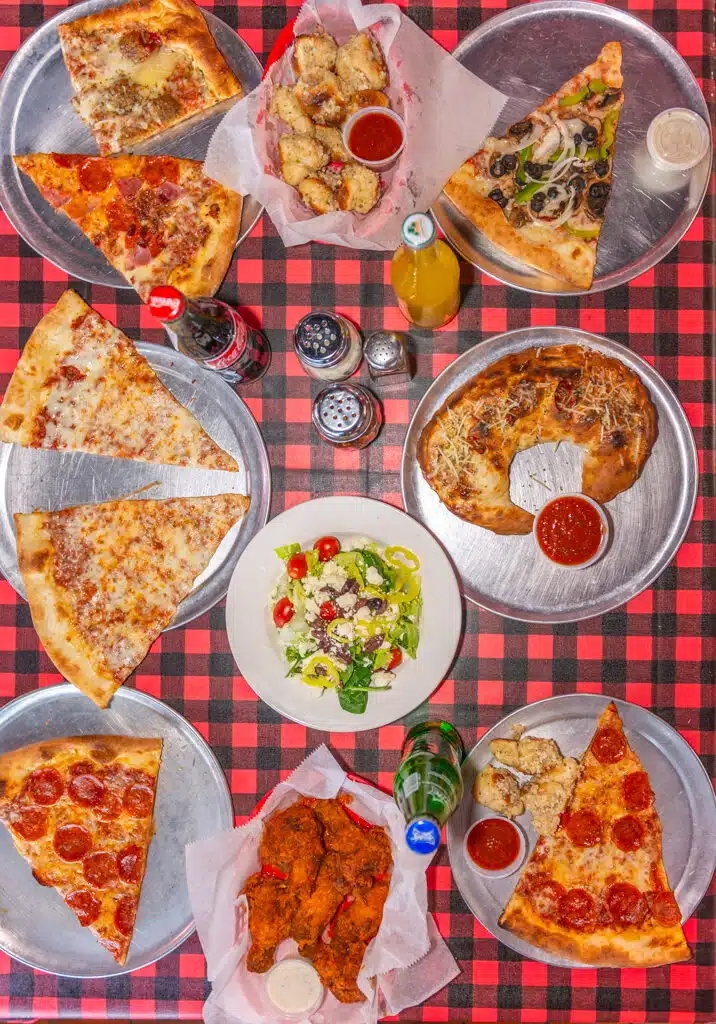
If pizza is the main event, everything else should support that reality. Salads should be fresh enough to start the meal well, not just serve as a token green option. Wings should arrive crisp, properly sauced, and hot. Garlic bread should taste made for the table, not pulled from a freezer case. Desserts can be simple, but they should still feel chosen.
There is real value in a menu that works for mixed groups. Not everyone wants the same thing, especially when families, coworkers, or sports teams dine together. A few non-pizza options can make a restaurant far more useful. Still, the trade-off is kitchen complexity. The more categories a menu includes, the harder it is to maintain quality across all of them. That is why the best places edit themselves. They keep what sells and what they can execute well. They cut what drags the line down.
A strong menu also gives customers options in size and style. Individual pies, medium sizes for small households, and large pizzas for groups all make sense. Half-and-half toppings can help families avoid ordering two full pies. Gluten-sensitive crusts or vegetarian combinations can widen the audience if they are handled with care. Nobody expects every pizza place to satisfy every dietary need perfectly, but clear communication matters. If cross-contact is likely, the staff should say so plainly.
Consistency is the real test
Almost any pizza restaurant can have a good night. Maybe the strongest cook is working, the oven is running evenly, and the rush never gets out of hand. The true test is what happens over time.
Consistency shows up in small patterns. The crust bakes the same color week after week. The same specialty pie tastes familiar every visit. Pickup orders are ready when promised more often than not. Staff turnover does not wipe out the customer experience. The place can handle a Friday dinner surge without letting quality collapse by 7 p.m.
This is where many restaurants lose ground. They build initial buzz on novelty, generous portions, or a few flashy menu items, but they do not develop systems. Recipes drift. Training weakens. Dough gets rushed. Suddenly one visit is excellent and the next is forgettable. Customers stop trusting the place for group meals or special orders because they no longer know what they will get.
A restaurant that earns loyalty in Cheyenne usually does so by being dependable. That may sound less exciting than artistry, but for neighborhood dining it matters more. People remember the places that make family dinner easier, office lunches smoother, and Friday nights better without demanding a gamble every time.
Value is more than price
Cheyenne diners tend to have a practical sense of value. They are willing to pay for quality, but they expect that quality to show up in the food, portions, and overall experience. A great pizza place does not have to be the cheapest in town. It does need to make the bill feel fair.
Fair pricing usually reflects several factors at once: ingredient quality, portion size, service level, and consistency. A higher priced pie can be worth it if the dough is made in house, the toppings are fresh, and the kitchen handles the details well. On the other hand, inflated prices with mediocre execution irritate people quickly. Customers can tell when they are paying for quality and when they are paying for branding.
This is especially true for add-ons. Extra cheese, premium meats, gluten-free crusts, dipping sauces, and delivery fees all affect the final ticket. Transparent pricing helps. So does portion honesty. If a large pizza realistically feeds three hungry adults rather than five, menus and staff should set that expectation. Most diners do not mind spending a little more when they feel the restaurant is straightforward with them.
One useful way to judge value is to think about leftovers. Good pizza often eats well the next day, whether reheated in an oven, skillet, or air fryer. That extends the meal and strengthens the sense that the purchase was worthwhile. Pizza that turns rubbery, watery, or bland by the next morning rarely feels like a smart spend.
Signs you have found a place worth returning to
There are a few patterns that reliably point to a strong local shop:
- The plain cheese or pepperoni pizza is excellent, not just the loaded specialty pies.
- The staff gives realistic pickup or delivery times and usually hits them.
- The crust stays intact under toppings instead of collapsing in the center.
- The dining room feels clean, relaxed, and well managed during busy hours.
- Repeat customers are treated like neighbors, not order numbers.
None of those signs are flashy. That is the point. Great restaurants often distinguish themselves through restraint and discipline rather than spectacle.
What families, travelers, and locals may each notice first
Different guests judge a pizza restaurant through different lenses. Families often care most about speed, flexibility, kid friendliness, and whether everyone can find something they want. Travelers may notice location, ease of parking, and whether the food delivers a genuine sense of place rather than another interchangeable chain meal. Locals usually pay attention to reliability. They want to know whether the place holds up on an ordinary night when there is no special event and no reason for the staff to be extra sharp.
That local perspective matters if you are searching for a pizza place in Cheyenne. A restaurant that thrives here generally has to serve several roles at once. It might host youth teams after weekend games, feed downtown workers on lunch break, send boxes to neighborhood gatherings, and welcome out-of-town visitors passing through. Those are very different service demands. The best pizza places handle them without losing their identity.
I have seen modest shops with twenty or thirty seats outperform bigger, better financed restaurants simply because they understood this. They kept the menu tight, trained the counter staff well, and made every pizza like they expected someone to remember it. That approach tends to age well. Customers can feel when a place is built on habits rather than marketing.
Why the little details carry so much weight
Great pizza is tactile. You hear the light crackle when the slice folds just enough. You smell toasted flour, tomato, oregano, and browned cheese before the plate hits the table. You notice whether the first bite burns your mouth because the pie was rushed out sloppily, or lands at the right temperature because the kitchen knows how to pace service. None of that happens by accident.
Even details that seem minor affect the whole experience. A sharp pizza cutter means slices separate cleanly. A sturdy box prevents steam from turning the top limp during transport. Proper venting matters. So does the ratio of crust edge to topping area. A good ranch or house dressing, if the place serves it, can become part of the ritual for regulars. Cold beverages, clean glassware, and fresh grated cheese all matter more than restaurant owners sometimes think.
That is why evaluating a pizza restaurant requires looking beyond a single dramatic feature. One signature pie or one oversized portion does not define excellence. Greatness is cumulative. It comes from many small decisions made well, over and over.
For diners in Cheyenne, that should be reassuring. You do not need gimmicks to find a restaurant worth your time. You need a place that respects the craft, the customer, and the realities of feeding people who know exactly what good neighborhood food feels like. When a pizza shop does that, it becomes more than a stop for dinner. It becomes part of the local map, the kind of place people mention without hesitation when friends ask where to eat.
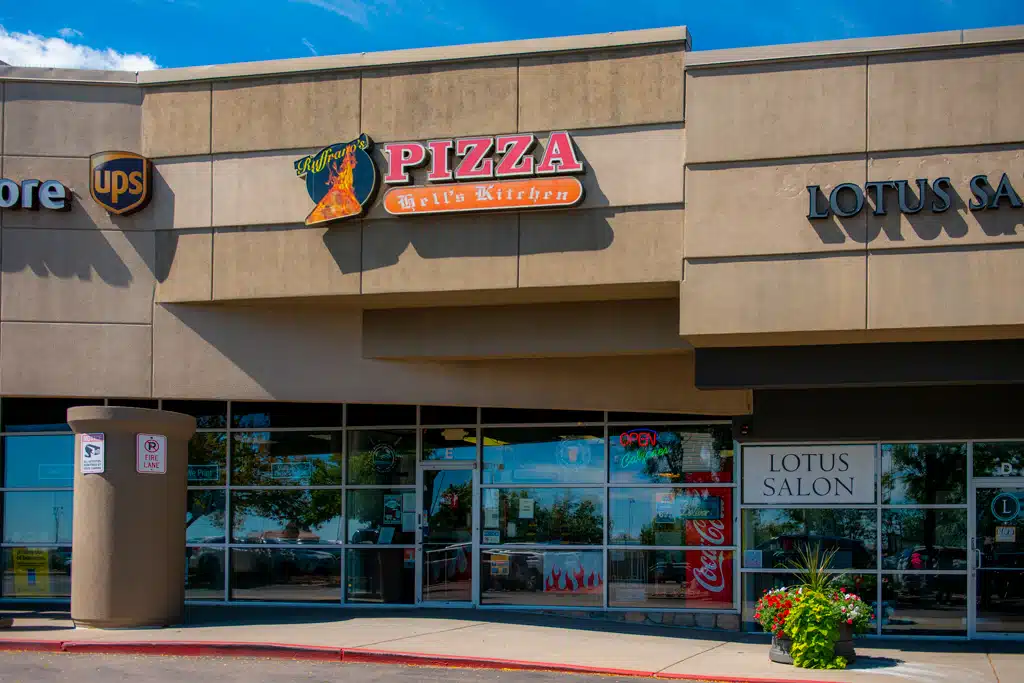
Ruffrano's Hell's Kitchen Pizza Cheyenne
Address: 1670 E Cheyenne Mountain Blvd, Colorado Springs, CO 80906
Phone number: +17195764355
FAQ About Pizza Place Cheyenne
What's the most popular pizza place?
The "most popular" pizza place depends on whether you measure by location count, total sales, or customer favorite status.
What is the 2 pizza rule?
The two-pizza rule is a management principle made popular by Amazon founder Jeff Bezos. It states that a team or meeting should never be larger than what can be fed with two large pizzas—typically translating to a group of 5 to 10 people (or roughly 6 to 12 people depending on appetites).
Is 2 pizzas enough for 10 people?
No, 2 pizzas are usually not enough for 10 people.